




March 30, 2025

12 min
Published: March 17, 2025
|
Updated: March 16, 2026

How does business finance shape the growth and success of a company?
Business finance is the lifeblood of any enterprise, shaping its growth, stability, and overall success. It encompasses the set of activities that help you figure out how much money you need, where to get it, and how to use it wisely to make your business successful.
In the big business world, companies use finance to make smart decisions about their money. They plan how to get funds (like loans or investments), budget for expenses (like buying stationery or paying employees’ salaries), and keep track of everything to make sure they’re making a profit.
So, business finance is like the behind-the-scenes hero that helps companies run smoothly and make good money choices.
In this article, we’ll delve into the intricacies of business finance, exploring its importance, components, and key strategies to manage it efficiently.
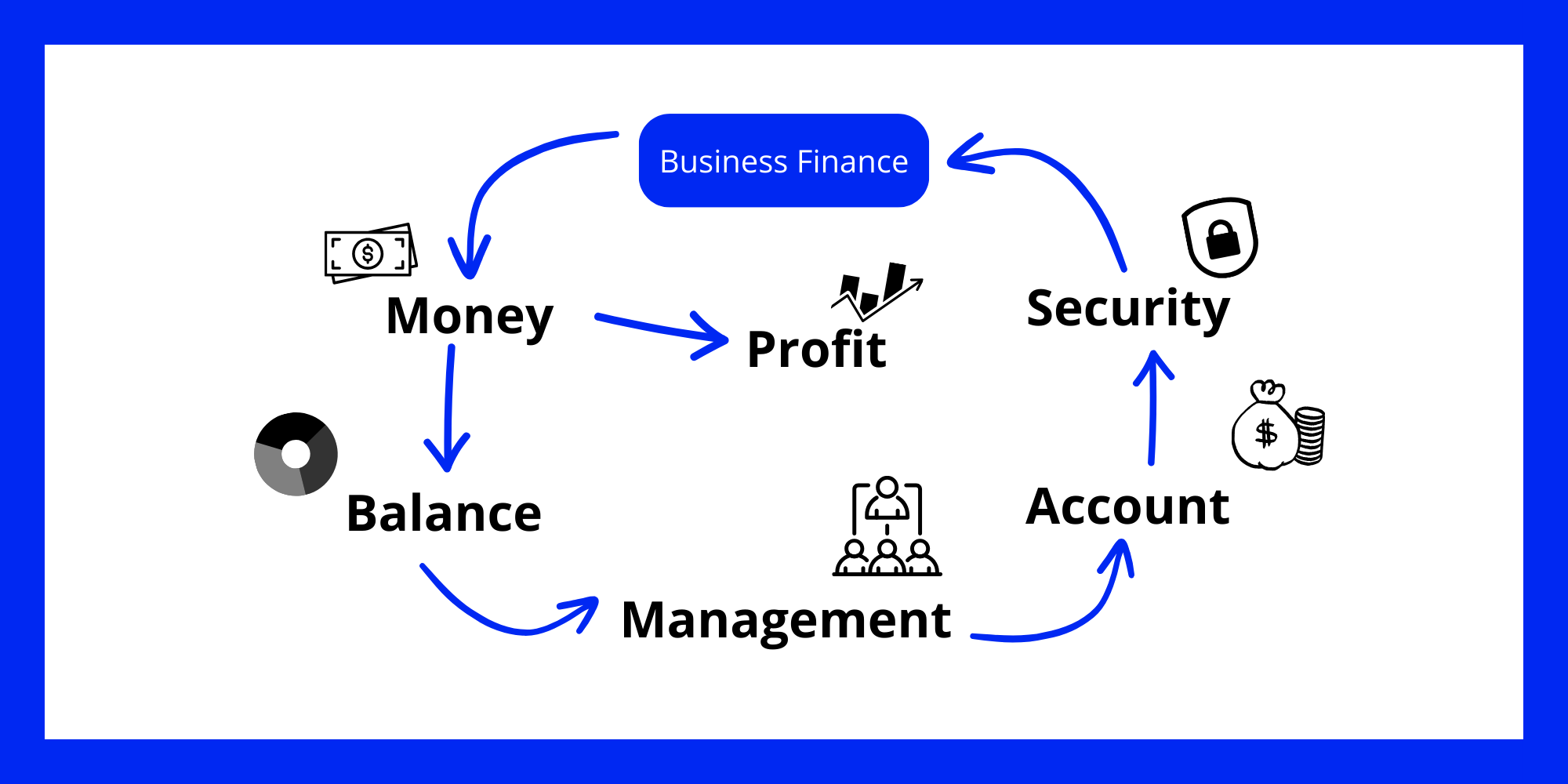
Business finance refers to the management of financial resources within an organization to achieve its goals and objectives. It involves planning, acquiring, and utilizing funds to support various business activities, ensuring that the company remains financially healthy and capable of meeting its obligations.
Business finance is a multidimensional concept, covering everything from budgeting and financial analysis to investment decisions and risk management.
Whether a startup aiming for rapid expansion or an established corporation seeking to diversify, the principles of business finance guide crucial decisions that impact the trajectory of a company.
Boost your business’s financial health with Billdu – Click now to see the difference in invoicing!
 Free 7-day trialNo credit card requiredCancel anytime
There are various types of business finance, each serving different purposes and needs. Here are some common types:
Debt financing involves borrowing money that must be repaid over a specific period, usually with interest. The borrowed funds can be used for various purposes, such as expansion, working capital, or capital expenditures.
Sources of debt financing:
Delve into our comprehensive article on the nuances of buying a small business.
Advantages of debt financing:
Disadvantages of debt financing:
Equity financing involves raising capital by selling ownership stakes in the business. Investors, such as individuals or venture capitalists, provide funds in exchange for shares or ownership interest in the company.

Sources of equity financing:
Advantages of equity financing:
Disadvantages of equity financing:
Venture capital involves investment funds provided by venture capitalists to startups and small businesses with high growth potential. These investments are typically exchanged for equity, giving venture capitalists ownership stakes and a say in company decisions.

Sources of venture capital:
Advantages of venture capital:
Disadvantages of venture capital:
Make the right financial decisions with Billdu! Streamline your billing process using Billdu invoicing software and check our new pricing for more details.
Free 7-day trialNo credit card requiredCancel anytime
Crowdfunding involves raising small amounts of money from a large number of people, typically via online platforms. This method allows businesses to generate funds by presenting their ideas or products directly to potential backers and is particularly popular for funding an online business, where entrepreneurs can effectively showcase their digital products or services to potential backers while validating market demand.
Sources of crowdfunding:
Advantages of crowdfunding:
Disadvantages of crowdfunding:

Business finance encompasses various components that contribute to a business’s financial management and success. Key components of business finance include:
Financial planning is the cornerstone of business finance. It involves outlining the financial goals of the organization and developing strategies to achieve them. This process includes budgeting, forecasting, and setting financial targets to guide decision-making.
Capital budgeting entails assessing and selecting long-term investment opportunities that align with the company’s objectives. It involves evaluating the potential returns and risks associated with various projects to determine their viability.
Working capital is the difference between a company’s assets and liabilities. Effective working capital management ensures that a business has enough liquidity to cover its short-term obligations while maintaining optimal levels of inventory and accounts receivable, and keeping the total cost of ownership of its assets under control.
Financial analysis involves evaluating a company’s performance using various metrics and ratios. This helps stakeholders, including investors and management, to gauge the company’s profitability, liquidity, and overall financial health.
Businesses face various financial risks, including market volatility, interest rate fluctuations, and credit risks. Risk management in business finance involves identifying potential risks and implementing strategies to mitigate or manage them effectively.

Companies often need external financing to support their operations or expansion plans. Business finance explores various financing options, such as equity financing, debt financing, and hybrid models, to determine the most suitable sources of capital.
The cost of capital represents the overall cost of financing for a business. It includes the cost of debt, equity, and other financing sources. Calculating the cost of capital helps businesses make informed decisions about investment projects and ensures that the returns generated exceed the cost of obtaining funds.
Business finance also involves decisions regarding distributing profits to shareholders through dividends. Determining an appropriate dividend policy is essential for balancing the interests of shareholders with the need to reinvest profits for future growth.
Financial controls are crucial to ensure that financial resources are used efficiently and aligned with organizational policies. Internal controls, audits, and regular financial reporting help prevent fraud, ensure compliance, and maintain transparency.
Steer your cash flow with confidence and control using Billdu – invoicing software for small businesses!
Free 7-day trialNo credit card requiredCancel anytime
Here is why business finance is important in the modern world.
Business finance provides the necessary insights for strategic decision-making. Whether launching a new product, expanding into new markets, or investing in technology, financial analysis guides these critical decisions.
Proper financial management ensures a business can sustain and finance its growth over time. This involves allocating resources efficiently, managing debt responsibly, and maintaining a healthy cash flow.
Investors and stakeholders closely scrutinize a company’s financial performance. Sound business finance practices instill confidence among investors, leading to increased support and potential capital infusion.
The business landscape is dynamic, and companies must be adaptable. Business finance equips organizations with the tools to respond to market changes, economic fluctuations, and unexpected challenges.
Managing business finances is crucial for the success and sustainability of any business. Here are ten tips to help you effectively manage your business finances in 2025.
Develop a comprehensive budget that outlines your expected income and expenses. Be realistic and include all possible costs, such as operating expenses, employee salaries, tools for managing your team and other business processes (such as payroll software or time tracking apps), and variable costs.
Budgeting isn’t only about inputs and outputs, it’s also about efficient allocation of resources. While Superside’s analysis of on-demand design services shows how predictable cost structures and scalable subscription models lead to more reliable budgeting and better financial planning for teams investing in recurring services.
Keep a close eye on your cash flow by regularly tracking the money coming in and going out of your business. This helps you identify potential cash shortages and plan accordingly. You can also monitor key liquidity metrics such as the cash ratio to understand how well your business can cover short-term obligations using its most liquid assets.
Open a separate business bank account to avoid mixing personal and business finances. This simplifies accounting, tax filing, and provides a clear picture of your business’s financial health.
Regularly review your business expenses and identify areas where you can cut costs without sacrificing quality. Negotiate with vendors for better rates and look for more cost-effective alternatives.
Set up a streamlined invoicing software like Billdu to ensure timely and accurate billing. Offer incentives for early payments and promptly follow up on overdue payments to maintain a healthy cash flow.

Establish a financial cushion by setting aside funds for unexpected expenses or economic downturns. Having an emergency fund can help your business weather tough times without relying on credit.
Make informed investment decisions based on thorough research and analysis. Diversify your investments to mitigate risks and aim for a balance between short-term gains and long-term stability.
Generate and review financial reports regularly, such as profit and loss statements, balance sheets, and cash flow statements. These reports provide valuable insights into your business’s financial performance.
It is also advised to do a payroll audit process at least once a year to ensure full accuracy and compliance.
Understand your tax obligations and deadlines. Keep accurate records, and consider consulting with a tax professional to ensure compliance and take advantage of available tax deductions.
Also, check out Small Business Tax Tips That Will Save You Money
Stay informed about changes in the market, industry trends, and economic conditions. Adapt your financial strategies to remain agile and responsive to evolving business environments. Use online training tools to keep your team knowledgeable of new tools and work techniques, specially if it is a remote group.
Business finance is the lifeblood of any organization, providing the framework for effective financial management.
From planning and analysis to decision-making and risk management, a comprehensive understanding of business finance is essential for the businesses’ sustained success and growth in today’s competitive environment. By integrating sound financial practices, businesses can navigate challenges, capitalize on opportunities, and achieve long-term prosperity.
Take charge of your business finances with Billdu’s user-friendly invoicing app– Click here to start streamlining your financial management today!
Free 7-day trialNo credit card requiredCancel anytime






Sign up now for a 30-day free trial and get 20% off on your first subscription
By signing up you agree to Terms of use and Privacy policy